
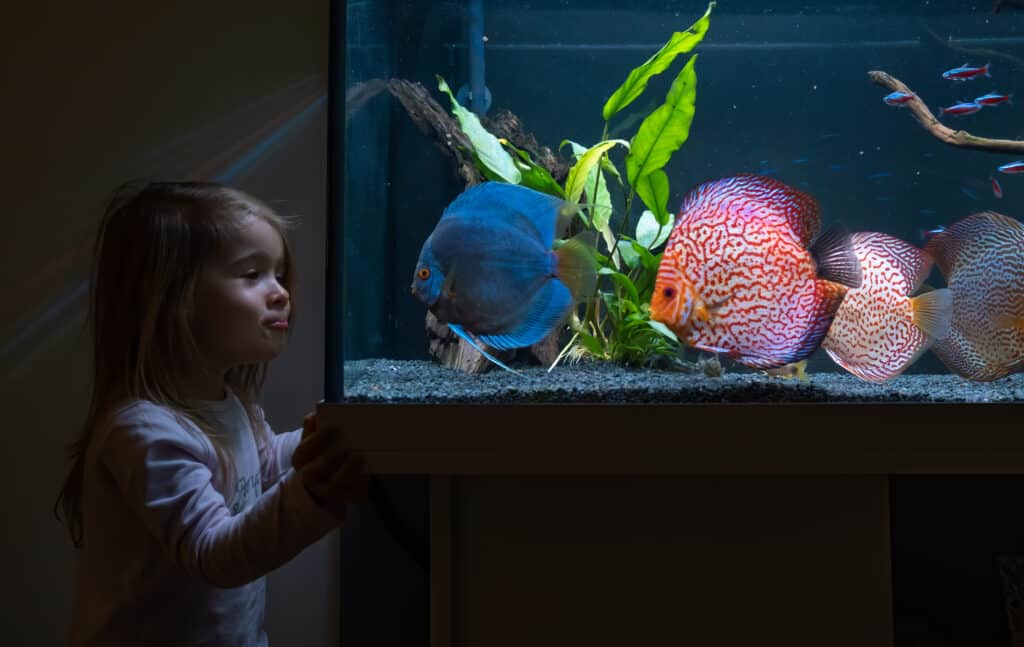
Moving a fish tank is one of the most challenging moves you’ll ever make with pets. Air-breathing pets can be moved as and when it’s convenient, often over time if necessary. Moving fish requires a plan that’s slick and efficient and executed like a well-oiled machine, keeping the time your fish remain out of their tank to the absolute minimum. Plus, an aquarium is a fragile item. Large ones are heavy, expensive and can be difficult to handle. Let’s dive into the moving process.
- Timing
Planning every part of your move is essential no matter what you’re moving, but with fish, any oversights put their lives at risk. Familiarise yourself with every step of this guide before you begin.
- Long-distance moves
Ideally, your fish shouldn’t be out of their tank for more than a few hours from beginning to end. If you’re moving between cities or islands, it may not be feasible to move your fish, as they will be out of their tank for too long. Many pet stores will take your fish and rehome them if you’re unable to take them with you. If this is the case, follow the instructions from step five and buy new fish when you’re settled in your new home.
- Do not attempt to move the aquarium as a whole
Aside from the obvious risks from moving a tank filled with water, which can be extremely heavy, a full aquarium will most likely shatter from the vibrations of the moving truck on the road. If you’re using professionals, they won’t carry a full tank with live fish for this reason, even a small one.
- Remove your fish from the tank
With this step, the clock is ticking, but don’t rush, as careful handling is critical for the welfare of your fish. Prepare appropriate containers filled with clean water which you can pack safely in your car. Remove your fish and put them into these containers. Don’t pack them into your car until necessary.
5: Remove the ornaments and decor
Remove any castles, shipwrecks, treasure chests or other ornaments from your tank. If you have time, this is a good opportunity to give these a clean. Don’t use any chemicals that could contaminate your tank when you reassemble it. Remove large stones and fake plants, clean and dry them and pack them into a box.
- Remove the plants
Your living plants need the same care as your fish. Prepare a suitable container with clean water and transfer the plants into it. Pack these into the car when you load your fish.
- Remove the pump
A pump has working parts, so like any delicate piece of equipment, you should handle it with care and pack it like any other fragile item. Unplug it first, remove it from the aquarium, give it a good clean and use bubble wrap or similar packing materials to protect it in the box. The pump is vital to keeping your fish alive, so make sure you know exactly where to find it.
- Drain the tank
Before emptying all the water, get a sealed container and take a decent sample of the water. This water contains the original biome of your tank and will help to re-establish your aquarium at your new home. Pack this in the car with your fish, plants and ornaments. Finally, drain the remaining water with a hose, buckets or jugs.
- Remove any stones or pebbles
If you have small stones or pebbles covering the base of the tank, remove these and give them a good rinse to remove any dirt or debris. Pack these into a container you can seal, as they will take too long to dry.
- Clean the tank
Aquariums are easiest to clean when they’re empty. Use the opportunity to clean the bottom and sides of the tank and give it a thorough dry with a towel. It’s now ready for packing.
- Packing your tank
Every item that can be dismantled is much easier and safer to move in separate parts. If you have a large aquarium, take apart as much as you can and pack the parts into a box. Before you pack your tank, tape each face of the glass with an X from corner to corner, as this will give it more structural strength. Use ample padding to protect the tank on the bottom and sides of the box. Fill every space between the tank and the box with bubble wrap or scrunched up balls of packing paper. Seal the box and mark it ‘fragile’ with bold letters.
If the movers are carrying your tank, make sure it’s a LIFO item: last in, first off. You’ll want to re-establish your tank as a priority when you reach your new home.
- Unpacking your aquarium
Now you’ve achieved the delicate and time-sensitive task of moving your fish, position the tank in your new home. Unpack the pump, ornaments and plants, and assemble any parts to put the tank back together. Place the pebbles over the base and position the plants and ornaments.
- Re-establish your fish
Start by pouring the sample of the previous water into your tank, then fill it with clean water. Turn on the pump and let it circulate and oxygenate the water for a few minutes. Carefully return your fish to the tank, and keep a close eye on them for a few days to make sure they have handled the move okay. Congratulations. You’ve done it.